
Shira Golan
Editorial byline
Shira Golan is an editorial byline for Favorite Foods & Drinks, with a focus on Drinks, Ingredients. Biographical credentials and external profiles are published only after verification.
Learn more about our editorial process and use of automation in our AI & Automation disclosure.
Coverage Areas
Latest Articles
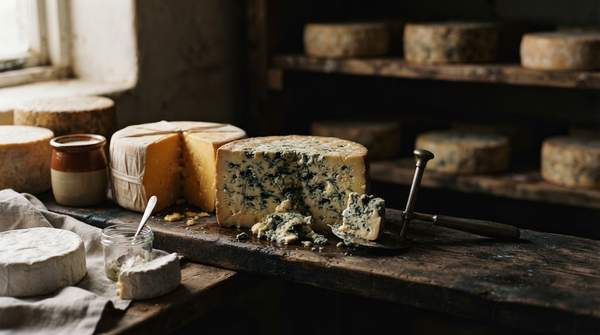
From Lactic Acid to Blue Veins: The Microbes That Make Cheese Taste Like Cheese
The distinctive flavors and textures of cheese are the result of controlled microbial activity, where specific bacteria and fungi perform biochemical processes like fermentation, proteolysis, and lipolysis. Cheesemakers strategically select these microbial cultures to guide the transformation of milk into a vast array of artisanal cheeses.
Nov 9, 2026 · 5 min read
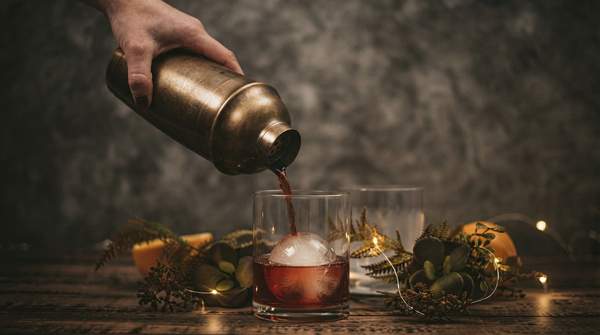
Port in Winter Cocktails: Matching Ruby, Tawny, and White to the Right Drink
Discover how to elevate your winter cocktails by matching Ruby, Tawny, and White port wine styles to the perfect drink. Learn to use port as a versatile substitute for sweet vermouth in classic recipes.
Nov 7, 2026 · 6 min read
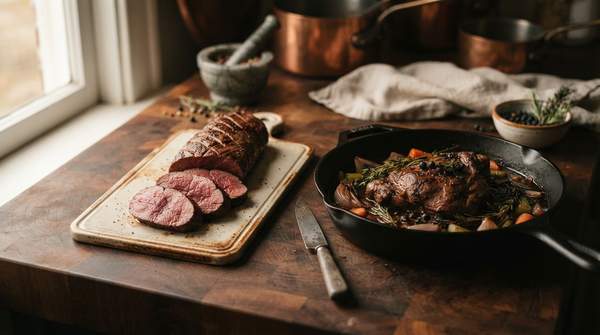
Mastering Venison: Matching Cuts to Cooking Methods for Flavor and Tenderness
The key to delicious venison is matching the cut to the cooking method. Tender cuts like backstrap and tenderloin require fast, high-heat cooking, while tougher cuts such as shanks and shoulders benefit from slow, moist braising to break down connective tissues.
Nov 7, 2026 · 4 min read
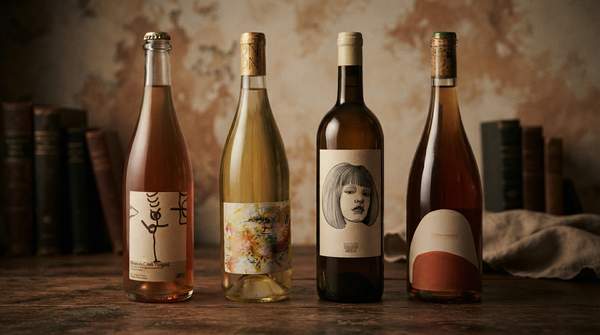
What Is Natural Wine? Minimal Intervention, Cellar to Bottle — and How It Differs From Organic and Conventional
Natural wine is a winemaking philosophy centered on minimal intervention, utilizing grapes grown without synthetic pesticides, fermented by indigenous yeasts, and bottled with very few additives. It emphasizes a hands-off approach from vineyard to bottle, differing significantly from organic and conventional methods.
Nov 6, 2026 · 5 min read
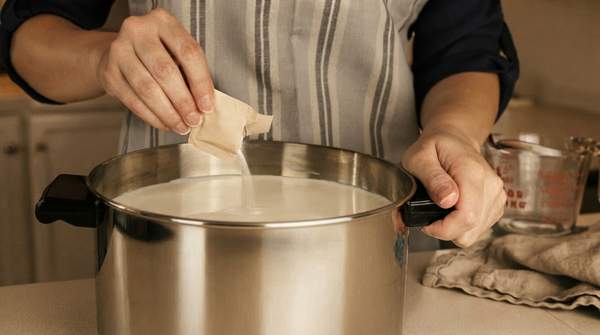
Cultures and Rennet: The Two Ingredients That Decide What Your Cheese Becomes
Starter cultures and rennet are the two fundamental ingredients that dictate a cheese's final flavor and texture. Understanding their distinct roles in acidification, coagulation, and proteolysis empowers cheesemakers to craft specific cheese styles.
Nov 5, 2026 · 5 min read
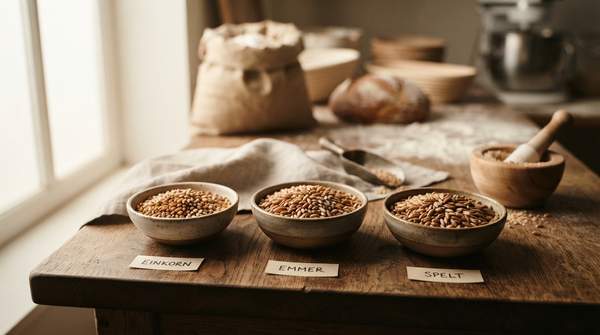
Einkorn, Emmer, or Spelt? Choosing the Right Heirloom Grain for Your Bake
This article compares Einkorn, Emmer, and Spelt heirloom grains, detailing their gluten structure, dough handling, and flavor profiles to help bakers choose the right grain for their bakes. It highlights Einkorn's delicacy, Emmer's versatility, and Spelt's similarity to modern wheat.
Nov 1, 2026 · 5 min read
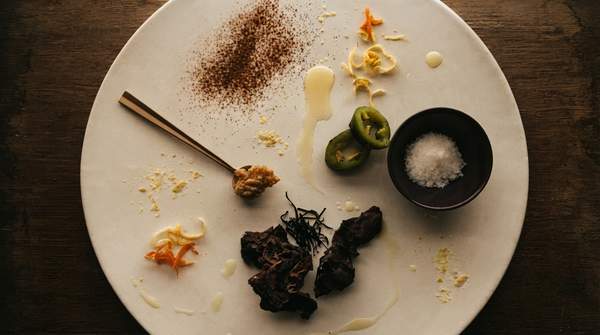
Building Deep Savory Flavor: How to Create Umami in Vegan Cooking
Discover how to build deep, savory flavor in vegan cooking by understanding umami and leveraging naturally rich plant-based ingredients like tomatoes and mushrooms. Learn to enhance these flavors through cooking techniques such as roasting and fermentation, and by layering different umami sources for maximum depth.
Oct 31, 2026 · 4 min read
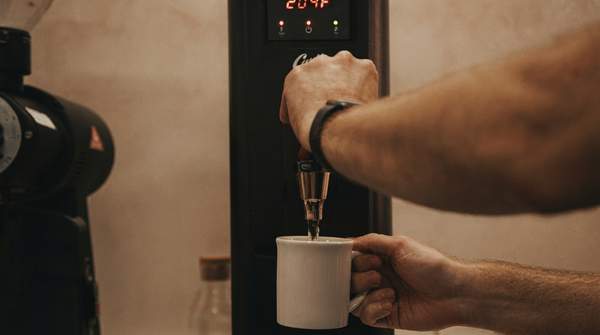
Sour, Bitter, or Flat? Diagnosing Your Coffee's Water Problem Before You Blame the Beans
If your coffee tastes off, the problem might be your water, not your beans. This guide explains how water hardness and alkalinity affect flavor and provides a framework to diagnose and correct common coffee defects.
Oct 31, 2026 · 6 min read
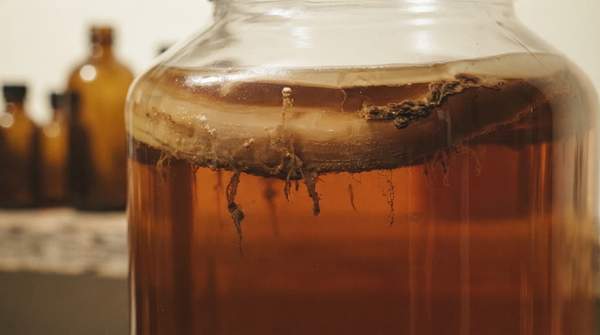
Kombucha vs. Water Kefir: Different Microbial Teams, Different Acids, Different Flavors
Kombucha and water kefir, though both fermented beverages, derive their distinct flavors from fundamentally different microbial teams and acid production pathways. Kombucha's tangy, vinegar-like profile stems from acetic acid bacteria, while water kefir's milder sourness is due to lactic acid bacteria.
Oct 30, 2026 · 4 min read
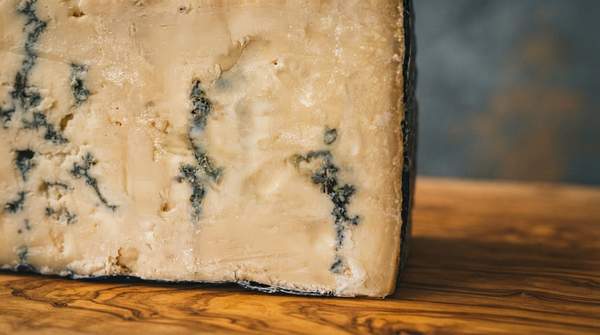
Who Put the Holes in Swiss and the Blue in Blue? The Named Microbes Behind Your Favorite Cheese
Specific microorganisms are directly responsible for the iconic characteristics of popular cheeses, from the holes in Swiss to the blue veins in Roquefort and the rinds of washed-rind varieties. Understanding the roles of starter and secondary cultures, like Propionibacterium freudenreichii, Penicillium roqueforti, and Brevibacterium linens, transforms cheese tasting into an appreciation of microbial craft.
Oct 28, 2026 · 5 min read
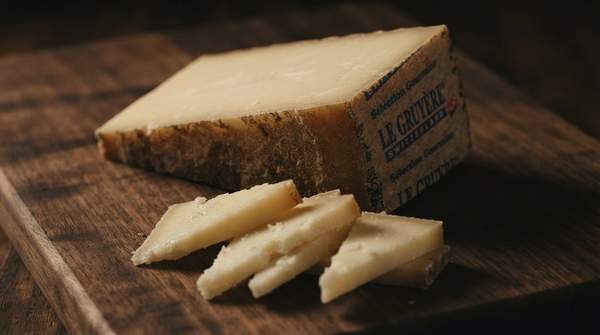
Transhumance to Table: How Alpine Herding Forged Gruyère, Comté, and Appenzeller
Alpine transhumance, the seasonal movement of cows to high pastures, forged a common template for cheeses like Gruyère, Comté, and Appenzeller, resulting in large, hard-rinded wheels. While sharing this historical engine, their distinct identities are primarily shaped by specific geography, regional practices, and unique terroir.
Oct 26, 2026 · 5 min read
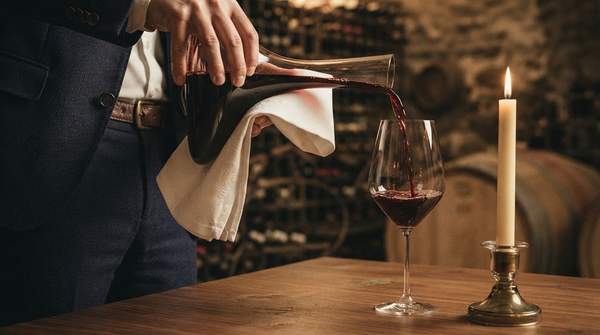
From Pack Animals to Fine Dining: How the Sommelier Role Evolved Over Centuries
The role of the sommelier has evolved dramatically from its origins as a pack-animal driver to a sophisticated wine and beverage expert. This evolution spans centuries, from medieval provision transport and royal cellar guardianship to the modern professional navigating diverse beverage programs and adapting to new hospitality landscapes.
Oct 25, 2026 · 4 min read
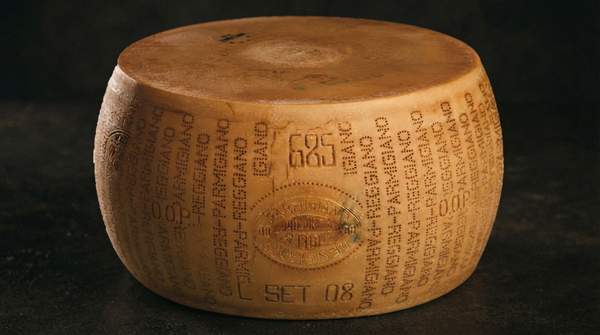
How Mountains, Trade and City Markets Created Europe's Distinct Cheese Traditions
Europe's iconic cheese traditions were engineered by geography and economics, not chefs. Mountains, trade, and urban markets each created distinct cheese characteristics by solving practical problems of terrain, transport, and shelf life.
Oct 24, 2026 · 5 min read
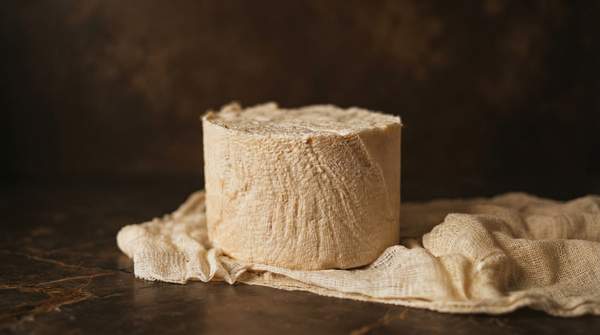
Raw Milk vs. Pasteurized Cheese: Why Flavor, Safety, and the Law Differ
Raw milk cheeses offer complex flavors from native microbes but pose safety risks, leading to different regulatory approaches like the US 60-day aging rule versus the EU's microbiological criteria.
Oct 23, 2026 · 4 min read
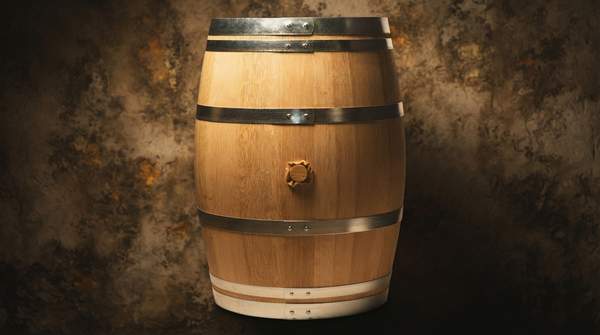
Why Mizunara Oak Tastes Like Sandalwood and Coconut—and Why It Costs So Much to Get There
Mizunara oak, a Japanese wood, imparts distinctive sandalwood, coconut, and incense flavors to whisky, but its rarity and high cost stem from slow growth, difficult processing, and extended maturation requirements.
Oct 23, 2026 · 5 min read
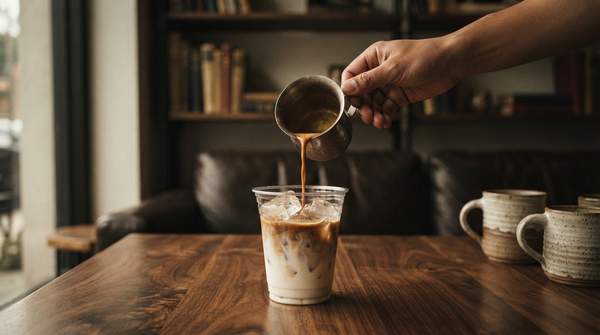
Hardness Extracts, Alkalinity Buffers: Tuning Espresso Flavor Through Water Chemistry
Water chemistry, particularly general hardness and alkalinity, are independent levers for tuning espresso flavor. Understanding their roles allows home baristas to diagnose and correct common taste defects by adjusting water composition.
Oct 22, 2026 · 4 min read
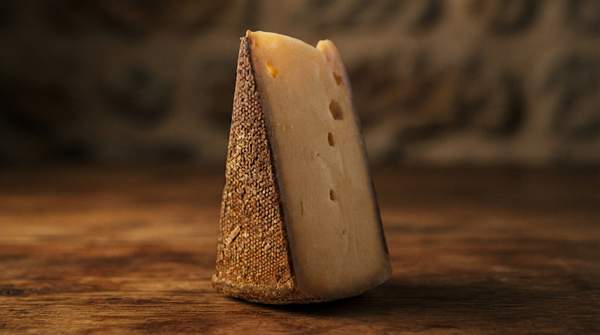
Why Brie Is Creamy and Swiss Has Holes: The Microbes Behind Every Cheese
The unique flavors and textures of cheeses are determined by specific bacteria and molds, acting as microbial architects during fermentation and ripening. Understanding these microbial teams and their biochemical actions reveals the science behind cheese diversity.
Oct 21, 2026 · 5 min read
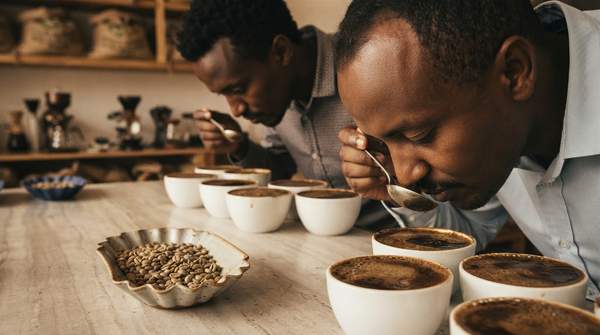
From Green Bean to Fruity, Nutty, and Caramel: The Chemistry Behind Coffee's Tasting Notes
Coffee's complex tasting notes, such as fruity, nutty, and caramel, are not inherent in green beans but are primarily created through heat-driven chemical reactions during the roasting process. Understanding the volatile compounds and their origins in reactions like Maillard and Strecker degradation enhances coffee appreciation.
Oct 21, 2026 · 4 min read

Organic, Biodynamic, or Natural? What Each Green Wine Label Actually Guarantees
Understand the difference between legally certified organic and biodynamic wines and the uncertified philosophy of natural wine. Knowing these distinctions helps decode wine labels and make informed choices.
Oct 20, 2026 · 4 min read
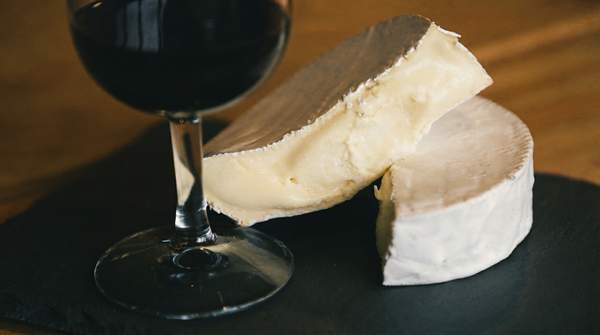
Bloomy, Washed, or Natural? How a Cheese's Rind Predicts Its Flavor
The rind of a cheese is the single best clue to its flavor, texture, and aroma, as the microbes on its surface are determined by cheesemaking techniques. Understanding different rind types, from bloomy to washed, helps predict the taste and decide whether the rind is edible.
Oct 20, 2026 · 4 min read