
Fermentation
8 articles
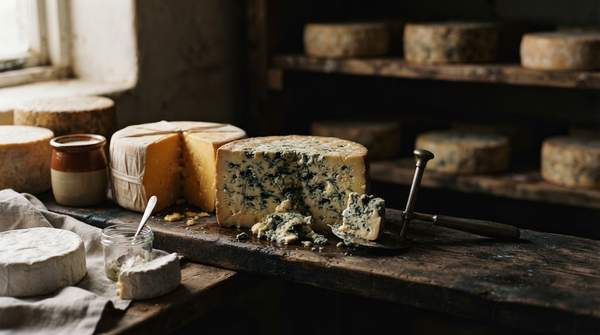
From Lactic Acid to Blue Veins: The Microbes That Make Cheese Taste Like Cheese
The distinctive flavors and textures of cheese are the result of controlled microbial activity, where specific bacteria and fungi perform biochemical processes like fermentation, proteolysis, and lipolysis. Cheesemakers strategically select these microbial cultures to guide the transformation of milk into a vast array of artisanal cheeses.
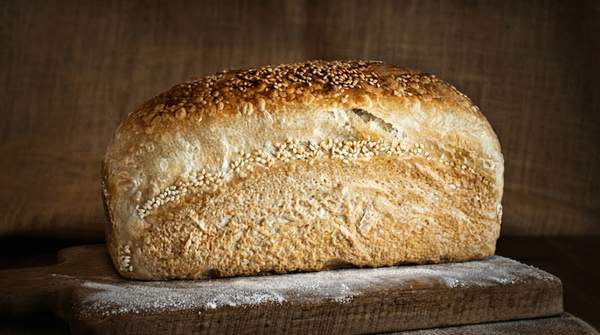
How to Control Sourdough Flavor: The Science of Temperature, Time, and Flour
Control your sourdough's flavor by understanding how fermentation temperature, time, and flour choice influence the production of lactic and acetic acids, and aromatic compounds.
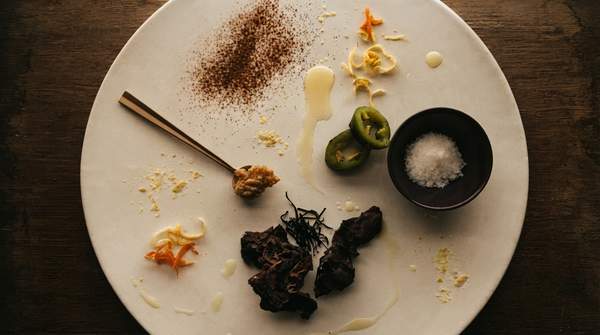
Building Deep Savory Flavor: How to Create Umami in Vegan Cooking
Discover how to build deep, savory flavor in vegan cooking by understanding umami and leveraging naturally rich plant-based ingredients like tomatoes and mushrooms. Learn to enhance these flavors through cooking techniques such as roasting and fermentation, and by layering different umami sources for maximum depth.
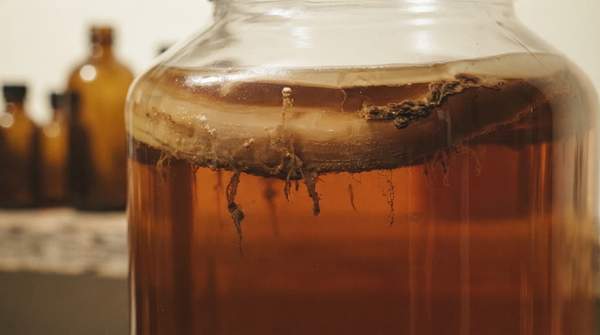
Kombucha vs. Water Kefir: Different Microbial Teams, Different Acids, Different Flavors
Kombucha and water kefir, though both fermented beverages, derive their distinct flavors from fundamentally different microbial teams and acid production pathways. Kombucha's tangy, vinegar-like profile stems from acetic acid bacteria, while water kefir's milder sourness is due to lactic acid bacteria.
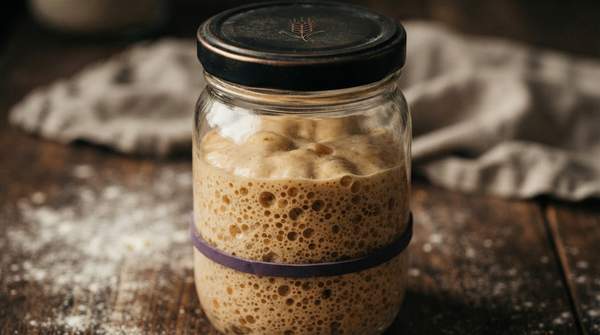
Sour, Tangy, Fruity: Decoding the Microbes in Your Sourdough Starter
The characteristic tangy taste and rich aroma of sourdough bread are the work of a symbiotic community of lactic acid bacteria and wild yeasts in the starter. These microbes ferment flour and water, producing acids, alcohols, and esters that define the bread's unique flavor profile.
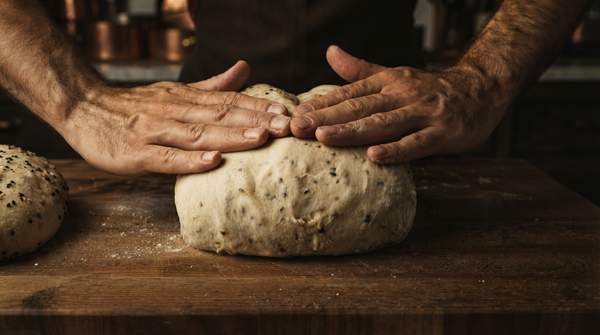
How Sourdough Hydration Shapes Your Loaf's Crumb and Crust
Sourdough hydration, the percentage of water in a recipe, is the most influential variable for controlling a loaf's crumb and crust texture. Understanding how water interacts with flour and yeast allows bakers to intentionally design their desired bread characteristics, from dense sandwich loaves to airy, open-crumbed crusty breads.
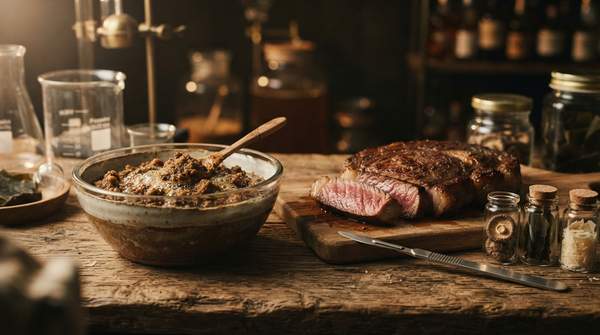
The Molecular Science of Umami: How Fermentation and Maillard Reactions Elevate Flavor
Explore the molecular science behind umami, detailing how fermentation and the Maillard reaction create and intensify this savory taste through biochemical processes. Learn about umami synergy and practical culinary applications for enhancing flavor.

How to Master Home Fermentation: A Step-by-Step Guide
Imagine turning a humble cabbage into vibrant, gut-healthy sauerkraut that lasts for months, all with just salt, water, and a jar.