The sommelier did not begin as a wine expert at all. The word traces back to Old French terms such as "sommerier," "somier," and "bete de somme," which referred to those who drove pack animals—humble work connected to transporting provisions, wine among them. Only gradually did the title shift toward the person in charge of the cellar, and finally toward the trained restaurant professional readers know today. The modern role, with its cellar management, guest education, and pairing expertise, is best understood as the professionalized descendant of those earlier functions.
From Pack Animals to Royal Cellars: The Sommelier's Medieval Origins
Etymology tells the first part of the story. As the Fredericksburg, Texas winery Augusta Vin recounts in its history of the profession, there are competing theories about the word's exact origin, but most experts agree it most likely descended from those Old French terms for pack-animal drivers and baggage handlers. The common thread is transport and provisions: the sommelier was originally the person responsible for moving goods—including wine—from place to place.
The leap from hauling supplies to guarding wine came through the cellar. In traditional usage, as commercial kitchen supplier CKitchen explains, the term referred to someone who managed wine cellars. That responsibility—keeping wine stored properly, accounted for, and available—became the durable core of the job. Everything the modern sommelier does, from buying stock to maintaining storage conditions, descends from this custodial function.
The Royal Wine Steward: Guardians of the King's Cellar
As the role matured in France, cellar management became a position of trust within wealthy households. The sommelier's traditional identity as the keeper of the cellar meant controlling access to a household's most valuable provisions, a role that carried real responsibility and, with it, a measure of standing. The historical accounts available are secondary and general rather than precise about dates or specific courts, so the royal era is best described as the period in which the sommelier's duties consolidated around wine itself: selection, storage, and service to a lord's table.
What matters for the longer arc is that the job's essential skills were fixed here. Choosing which wines to acquire, keeping them in good condition, and serving them appropriately are the same functions a restaurant sommelier performs today—simply transferred from a private household to a paying public.
The French Revolution and the Birth of the Restaurant Sommelier
The pivotal transition came after the French Revolution. Augusta Vin's account describes how chefs who lost their positions in aristocratic households began opening their own establishments and cooking for the public, giving rise to modern-style restaurants. In that wine-loving French society, these new restaurants eventually needed beverage professionals and began hiring wine experts—sommeliers.
At that stage they were typically called wine stewards, and according to Augusta Vin they did not enjoy the prestige the profession carries today. This was the decisive break: the sommelier moved from private service into commercial hospitality, answering to a broad paying clientele rather than a single lord. The skills transferred intact, but the context—and eventually the status—changed completely. A role once defined by loyalty to one household became defined by the ability to guide strangers through a wine list.
The Sommelier's Journey: A Historical Timeline
The four stages below sequence the profession chronologically, aligning each era with its title, duties, and social standing as described in the historical accounts.
| Historical Period | Title / Etymology | Primary Responsibilities | Status |
|---|---|---|---|
| Medieval origins | "Sommerier" / "somier" — pack-animal driver, baggage handler | Transporting provisions, including wine, for courts and households | Humble service work |
| Royal and household service | Sommelier as cellar keeper (traditional usage) | Selecting, storing, and serving a household's wine | Position of trust within wealthy households |
| Post-Revolution restaurant era | "Wine steward" | Guiding restaurant patrons through wine choices in the new public dining establishments | Commercial hospitality; little prestige at first, per Augusta Vin's account |
| Modern profession | Sommelier — trained wine expert | Cellar management, wine list curation, staff training, guest education, food pairing, and broader beverage programs | Years of training; a recognized fine-dining expert |
Read across the rows, the pattern is continuity of function with transformation of context: the same core duties—acquire, store, serve, advise—persist in every era, while the setting and social standing shift from baggage train to cellar to dining room.
The Modern Sommelier: Expertise, Education, and Evolving Responsibilities
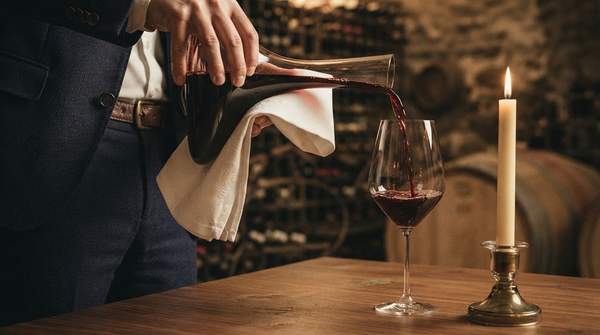
Today's sommelier is, in CKitchen's description, far more than someone who recommends a red or a white. Modern practitioners are experts in wine and food pairings, global wine regions, varietals, service etiquette, and the science of tasting—and they are increasingly responsible for curating beverage programs that extend to spirits, cocktails, sake, and craft beer, depending on the establishment.
VinePair's Wine 101 primer on the profession details the daily mechanics: the sommelier buys wine for the list, compiles it, makes it interesting, distributes the prices well, and keeps the cellar stocked and properly maintained. In fine dining, the sommelier often joins the pre-shift meeting where the chef presents dish specials so servers can relay them accurately. Each of these duties maps onto a historical ancestor—cellar keeping, selection for a lord's table, and guiding patrons in early restaurants—now professionalized through years of training, as Augusta Vin notes.
Adapting to a New Era: Challenges and Future of the Sommelier
The role is still changing. A 2024 Sommelier Business summary of three expert perspectives describes a profession once central to fine dining that has undergone significant changes, driven by economic pressures, shifting consumer preferences, and, most recently, the economic and social impacts of the COVID-19 pandemic. Some of the experts quoted take a gloomy view of the profession's trajectory.
One of those experts, Mobley, observes that the shift has affected not only the availability of sommeliers but the quality of wine service: without dedicated wine professionals, many establishments struggle to maintain the same expertise and customer engagement, and fewer restaurants can offer the same level of discovery and education to patrons. Yet she also sees potential for a rebound, at least in California, suggesting that as the restaurant industry stabilizes, sommeliers may return in new and innovative roles. Sommelier Business's overall conclusion is that with adaptation and keen attention to current trends, the profession's future remains bright.
The Enduring Evolution of the Sommelier
The sommelier profession has continuously adapted its core functions—from managing provisions to curating wine experiences—in response to societal and economic shifts, ensuring its relevance in evolving hospitality landscapes. The evidence supports a clear reader takeaway: this is a role defined by adaptation, not by any single fixed identity. The measurable indicator to watch is the continued adaptation of sommelier roles to new consumer preferences and economic models—such as an increased focus on diverse beverage programs or casual dining settings. If Mobley's expectation of a California rebound proves right, the next chapter of the profession will look less like the formal dining room of the past and more like the flexible, multi-beverage expert the modern restaurant already demands.