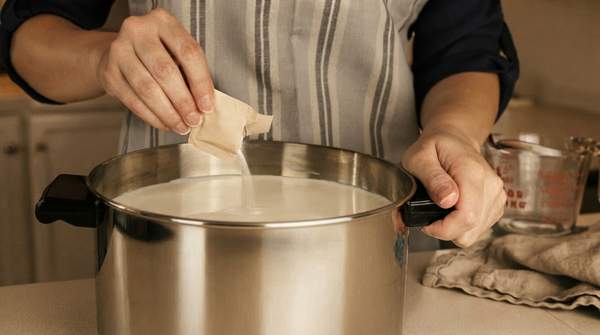
Every artisanal cheese begins with the same raw material—milk—and diverges into Cheddar, Brie, or Parmesan largely because of two decisions made before aging ever begins: which starter culture goes into the vat, and which rennet coagulates the curd. Starter cultures drive acidification, lowering pH and converting milk sugars into the compounds that give cheese its tang, butteriness, or aroma. Rennet sets the milk into curd through the enzyme chymosin, and its residual activity shapes how proteins break down during aging. Understanding these two levers lets a cheesemaker—or a curious enthusiast—read a cheese backward from its flavor and texture to the ingredients that produced it.
The Fundamental Roles of Rennet and Starter Cultures in Cheesemaking
The two ingredients do different jobs, and confusing them is the most common gap in cheesemaking knowledge. A starter culture is a population of lactic acid bacteria added to milk; a rennet is an enzyme preparation added afterward to coagulate it. As dsm-firmenich, an ingredients company that produces both cultures and coagulants, puts it: "The type and dosage of the culture used during the cheese development process are important in determining the final taste of a cheese." The same source describes two functionalities for cultures: acidification that lowers pH and affects taste and texture, and the breakdown of sugars and proteins that develops further taste components.
Rennet's role is structural. As New England Cheesemaking Supply Company explains, the enzyme chymosin "cleaves the 'fuzz' (κ‑casein) from casein micelles, causing them to merge into a gel‑like network—your curd." Without that cleavage, milk never forms the coherent gel that can be cut, cooked, and pressed. The supplier also notes that cultures and rennet interact: the bacteria lower acidity just enough to prime the proteins for enzyme action, boosting coagulation while adding a tangy flavor. Temperature matters too—rennet works sluggishly below roughly 85°F and sets unevenly above about 105°F, so the culture choice must match the vat conditions the recipe demands.