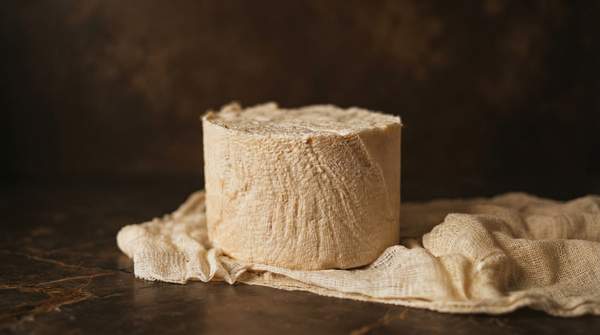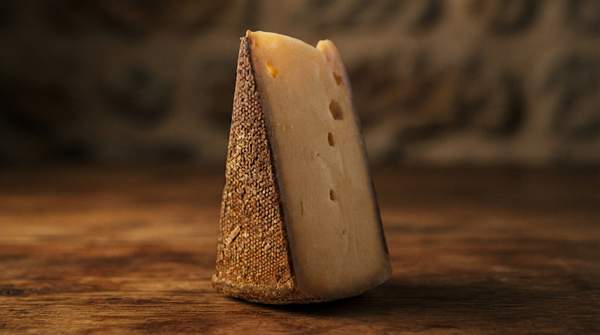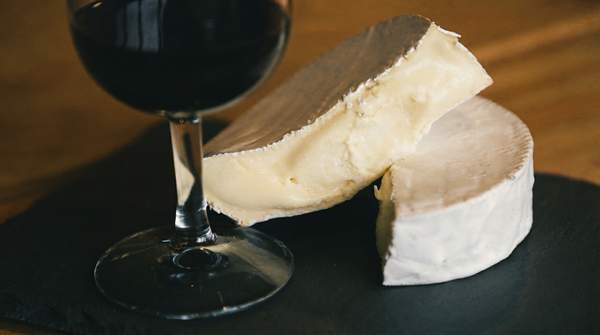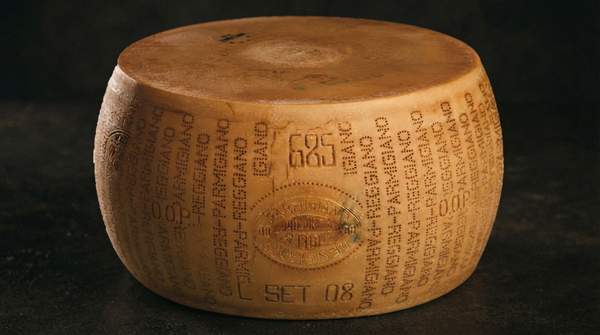
Europe's iconic cheeses were not designed by chefs; they were engineered by geography and economics. Alpine hard cheeses, Dutch spheres like Edam and durable British wheels like Cheshire each answered a different historical problem: surviving mountain terrain, packing into a ship's hold, or enduring the long road to London. Understanding the problem each cheese solved explains why it looks and tastes the way it does.
Introduction: The Terroir of Tradition
The word "terroir" is usually reserved for wine, but cheesemakers work with the same logic. As Highland Fine Cheeses, a British producer, describes it, artisan cheeses are "crafted with meticulous attention to detail, resulting in unique flavours, textures, and aromas that reflect the terroir and the cheesemaker's skill," with makers sourcing milk from local farms and using techniques passed down through generations. The guiding principle is that a cheese should tell "a story of place, tradition, and innovation."
That principle is not romantic decoration; it is the historical record. Across Europe, three distinct pressures produced three distinct cheese traditions. Mountain environments shaped one, maritime commerce another, and the rise of urban markets a third. Tracing each thread reveals how practical constraints—terrain, transport and shelf life—became permanent features of the cheeses we now treat as classics.