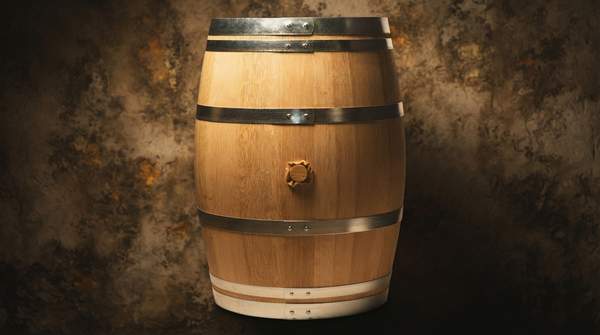
Whisky aged in Mizunara oak, the Japanese oak known as Quercus crispula, carries one of the most distinctive signatures in the spirits world: sandalwood, coconut, incense, and oriental spice. Those aromas are the reward side of a difficult bargain. The wood takes at least 200 years to mature, holds so much water that it demands an extended drying phase, and only reveals its prized character after a decade or more in the cask—often 15 to 20 years before the flavors soften into what distillers consider the "right" profile. That combination of scarcity, patience, and expense is why Mizunara-aged whiskies are rare and prized.
The Allure of Mizunara Oak in Japanese Whisky
Mizunara's Japanese name literally means "water oak," a nod to the high moisture content that defines the species. According to the whisky reference site Whisky.com, it has not been used as a barrel wood for storing whisky for very long, and its adoption was born out of necessity rather than luxury. Yet from that improvised beginning grew something revered: the House of Suntory describes its pioneering use of Mizunara casks as a story of doing things "the right way, not the easy way," noting that the wood's uniquely Japanese aromas and taste profiles are now recognized worldwide.
What makes the wood compelling is that its character cannot be rushed or easily replicated. The same properties that frustrate sawmills and coopers—the slow growth, the dynamic bends, the moisture—are inseparable from the aromas that emerge only after long maturation. Mizunara is not simply an alternative to American or French oak; it is a different proposition entirely, trading convenience for a flavor profile found nowhere else.