Deep, savory vegan food comes down to one molecule above all: glutamate. Tomatoes and mushrooms carry it naturally, and fermentation and roasting can multiply it in ingredients like miso, soy sauce, tempeh, and kimchi. The practical strategy for home cooks is therefore twofold: start with naturally glutamate-rich plants, then apply techniques that either concentrate or create additional savory compounds.
The Science of Savory: Understanding Umami in Vegan Food
Umami is one of the basic tastes the tongue detects through specific receptors, alongside sweet, salty, sour, and bitter. When we eat, that receptor information travels to the brain, which is how we recognize the savory character of a dish. Glutamate, an amino acid, is one of the predominant compounds that triggers umami taste receptors; ribonucleotides called inosinate and guanylate also play this role, according to nutrition-focused writing from Delish Knowledge on plant-based umami.
This matters for plant-based cooking because vegan dishes often lack the concentrated glutamate that meat and aged dairy naturally supply. The fix is not imitation. As culinary writer Joris Schildknecht puts it for Vegan Academy, creating satisfying plant-based flavor "isn't about mimicking meat – it's about understanding how to maximize the natural potential of plant ingredients."
Naturally Umami-Rich Plant-Based Ingredients
Some plants arrive already loaded with savory potential. A food-science review of umami characteristics published in the journal literature identifies tomatoes as one of the best plant-based sources of umami, noting that their high glutamate level gives them a sweet-savory flavor — and that glutamate content keeps increasing as tomatoes ripen. Riper tomatoes, in other words, are measurably more savory.
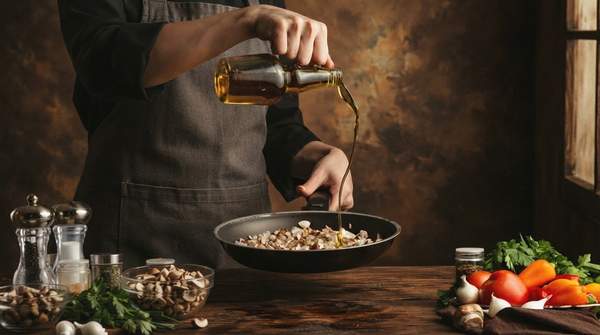
Mushrooms are the other standout, and dried mushrooms in particular are described in the same review as a tremendous plant-based supply of glutamate. They are also easy to incorporate into almost any dish, which makes them one of the simplest routes to boosting overall umami. The review does not quantify exact glutamate concentrations for either ingredient, so treat these as reliable directional guides rather than precise figures.
Umami Through Transformation: Cooking and Fermentation
Beyond choosing the right ingredients, two processes build umami where it did not exist before. The first is concentration through cooking. Roasting transforms vegetables into what Vegan Academy's guide calls "flavor powerhouses": when you roast tomatoes, mushrooms, or root vegetables, their natural sugars caramelize and their proteins break down, creating new umami compounds. The exact biochemical pathway for this enhancement is not fully detailed in the culinary evidence, but the outcome — deeper savory notes from roasting — is consistently supported.
The second is transformation through fermentation, and here the science is clearer. A review of fermented soy products explains that during tempeh production, protease enzymes hydrolyze soy proteins into smaller peptides and amino acids, which lactic acid bacteria then use. Carboxypeptidases and leucine aminopeptidases degrade those peptides further into free amino acids — the class of compounds that includes glutamate. This is why fermented soy foods taste savory: microbial enzymes have effectively pre-digested protein into the very molecules your umami receptors detect.
The same principle extends beyond soy. A review of fermentation in plant-based foods reports that in soy sauce production, yeast and lactic acid bacteria break down complex compounds in soybeans, developing a rich umami flavor. And in lactic-acid fermentation of vegetables like kimchi, sauerkraut, and pickles, sugars are converted into lactic acid — adding tang while the process contributes to the fermented character of these foods.
Your Comparative Guide to Plant-Based Umami Sources
The table below sorts the main vegan umami sources into two categories: those that carry glutamate naturally, and those that develop umami through a process such as fermentation or roasting. Use it to match an ingredient to the dish you are making.
| Umami Source | How It Creates Umami | Best For... |
|---|---|---|
| Tomatoes (especially ripe) | Naturally high glutamate; levels increase as the tomato ripens | Sauces, soups, stews, braises — anywhere a sweet-savory base helps |
| Mushrooms, particularly dried | Naturally rich in glutamate; drying concentrates the supply | Broths, risottos, stir-fries, gravies — easy to add to almost anything |
| Roasted vegetables (tomatoes, mushrooms, onions, roots) | Roasting caramelizes sugars and breaks down proteins, creating new umami compounds | Deepening any recipe that calls for the raw ingredient — roasted bases for soups and sauces |
| Tempeh | Fermentation of soybeans: protease enzymes hydrolyze soy proteins into peptides and amino acids | Hearty mains, crumbled into sauces, marinated and seared |
| Miso | Fermented soy paste built by the same protein-to-amino-acid breakdown | Soups, dressings, glazes, marinades — a spoonful seasons a whole pot |
| Soy sauce | Yeast and lactic acid bacteria break down complex soybean compounds during fermentation | Stir-fries, dipping sauces, seasoning almost any savory dish |
| Kimchi (and other lacto-fermented vegetables) | Lactic acid fermentation converts sugars to lactic acid, adding tang and fermented savory depth | Condiments, grain bowls, fried rice — where you want savory plus brightness |
One caveat: the underlying reviews do not quantify specific amino-acid concentrations for the fermented foods, so the table compares mechanisms and applications rather than potency rankings.
Combining for Maximum Flavor Depth
The real leverage comes from layering. A single umami source seasons a dish; several, built through different routes, create the complexity that makes food feel complete. A practical pattern: start a soup or stew with roasted vegetables for the concentrated, caramelized base; deepen it with a fermented ingredient like miso or soy sauce; and finish with fresh ripe tomato or dried mushroom for natural glutamate.
Because roasting and fermentation work by different mechanisms — concentration and new-compound creation, respectively — they complement rather than duplicate each other. A marinade of soy sauce on tempeh, for example, stacks a fermented seasoning onto an already-fermented protein whose soy proteins have been hydrolyzed into savory amino acids. Each layer adds its own character: tang from kimchi, sweetness from roasted tomato, earthy depth from mushroom.
Elevate Your Vegan Cooking: A Savory Transformation
By consciously incorporating naturally umami-rich plant-based ingredients and applying umami-enhancing cooking and fermentation techniques, home cooks can consistently create deeply satisfying and flavorful vegan dishes. The approach is a repeatable checklist, not a single recipe: pick a natural glutamate source, add a fermented element, and use roasting to concentrate flavors before combining.
The measurable indicator of success is the consistent presence of a rich, savory depth in prepared vegan meals — reducing the perception of "missing something" often associated with plant-based diets. When a dish no longer reads as flat or incomplete, the umami-building layers are doing their job.
Sources
- Plant-Based Umami: The Secret to Creating Delicious, Vegan Food - Delish Knowledge
- Umami & Kokumi — Vegan Academy
- Umami Characteristics and Taste Improvement Mechanism of Meat - PMC
- Fermented soy products: A review of bioactives for health from fermentation to functionality - PMC
- Recent Progress in the Role of Fermentation in Plant-Based Foods: A Concise Review — Heraldopenaccess