
Maillard Reaction
4 articles
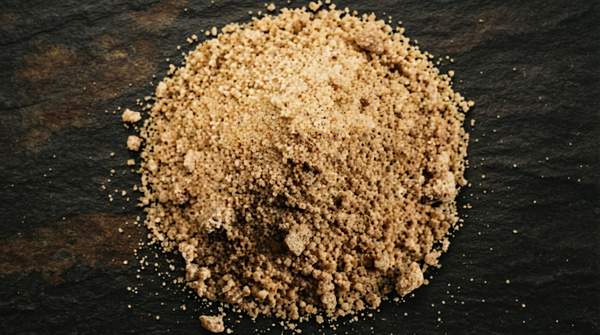
Maillard Reaction vs. Caramelization: How Bakers Can Tell Them Apart and Control Browning
The golden crust on your bread and the deep amber of your caramel come from two different chemical reactions. Understanding the Maillard reaction (sugar + amino acid) and caramelization (sugar alone) is key for bakers to control flavor and browning.
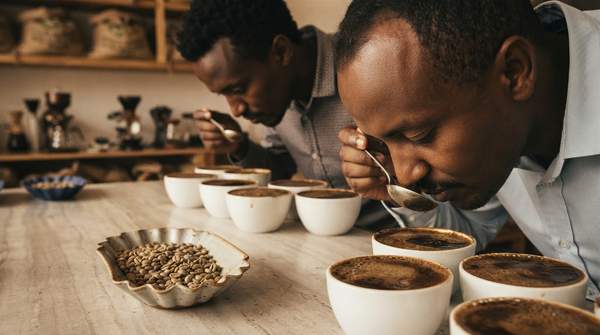
From Green Bean to Fruity, Nutty, and Caramel: The Chemistry Behind Coffee's Tasting Notes
Coffee's complex tasting notes, such as fruity, nutty, and caramel, are not inherent in green beans but are primarily created through heat-driven chemical reactions during the roasting process. Understanding the volatile compounds and their origins in reactions like Maillard and Strecker degradation enhances coffee appreciation.
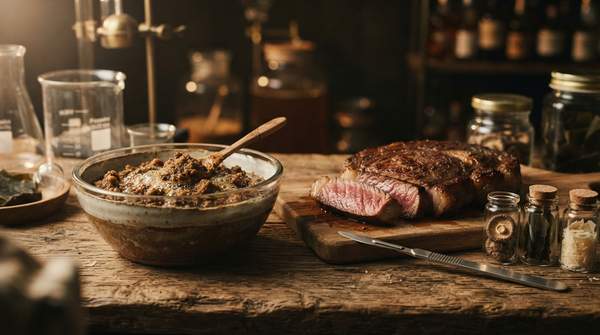
The Molecular Science of Umami: How Fermentation and Maillard Reactions Elevate Flavor
Explore the molecular science behind umami, detailing how fermentation and the Maillard reaction create and intensify this savory taste through biochemical processes. Learn about umami synergy and practical culinary applications for enhancing flavor.

How Do the Scientific Principles of the Maillard Reaction Work?
Under roasting conditions in closed systems, furans can yield up to 330 micromol of furan and 260 micromol of 2-methylfuran per mol of precursor.