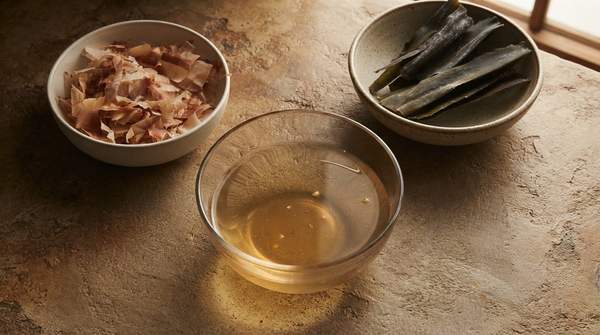
Umami—the deep, savory fifth taste alongside salty, sweet, sour, and bitter—can be engineered deliberately in your own cooking. The key is pairing two families of ingredients: those rich in glutamates and those rich in nucleotides such as inosinate. When the two meet in the same dish, the savory flavor doesn't merely add up; it multiplies. Combine glutamate-rich kombu with nucleotide-rich bonito flakes in dashi, or Parmesan with beef on a cheeseburger, and you're putting decades of food science directly onto the plate.
Understanding Umami: The Fifth Taste
Umami's story in the kitchen begins with a single molecule: glutamic acid, whose salts—the glutamates—deliver the mouth-filling savor cooks chase. Chemist Kikunae Ikeda extracted glutamic acid crystals from giant sea kelp in 1908 and identified the taste they produced as distinct from the four classic tastes, according to Dan Souza and Alyssa Vaughn's reporting for Cook's Illustrated. The discovery, in other words, started in the very seaweed that still anchors Japanese broths today.
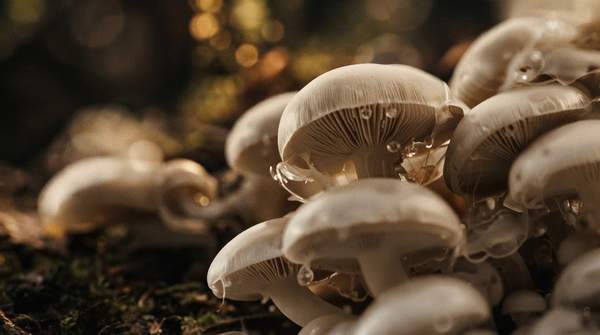
Glutamates are naturally present in many foods. America's Test Kitchen's rundown of glutamate powerhouses includes kombu, bonito flakes, Marmite, Parmesan cheese, nori, soy sauce, fish sauce, anchovies, oyster sauce, tomato paste, ketchup, tomatoes, and mushrooms—ingredients that appear in cuisines across the globe and far back in time. But glutamate is only half the equation. Nucleotides, specifically inosinate and guanylate, are the compounds that unlock umami's synergistic potential, and they tend to concentrate in different ingredients: dried fish, meat, and cured products. Knowing which ingredient brings which compound is the whole game.
The Science of Umami Synergy: How Flavors Multiply
The remarkable thing about umami is that glutamates and nucleotides don't work additively—they work synergistically. As the Umami Information Center explains, cultures worldwide arrived at this empirically long before the chemistry was understood: soups combining glutamate-rich vegetables with inosinate-rich meat and fish, Chinese broths extracted from chicken or pork bones, and Japanese dashi made from kombu paired with katsuobushi. The strength of the synergy between glutamate and inosinate varies according to the ratio of each, so the balance of your two ingredient categories matters as much as including both.
Put simply, a dish with only a glutamate source tastes savory. Add a nucleotide source and the perceived savor expands dramatically out of proportion to the small amount added. This is why a pinch of bonito transforms kombu broth, and why a few minced anchovies make a Caesar salad taste bigger than its parts. Cook's Illustrated describes the effect plainly: when glutamates and nucleotides work together, "savory magic happens." The practical rule for home cooks follows directly—make sure every dish you want to taste deeply savory contains at least one ingredient from each column.
Umami Pairing Matrix for Home Cooks
Use this matrix as a working tool: pick at least one ingredient from the glutamate column, add one from the nucleotide column, and you have deliberately constructed a synergistic pairing. The right-hand column shows classic combinations documented in the culinary science literature, each pairing one item from each side.
| Glutamate-Rich Ingredients | Nucleotide-Rich Ingredients | Classic Synergistic Pairings |
|---|---|---|
| Kombu seaweed | Bonito flakes (katsuobushi) | Kombu + katsuobushi = Japanese dashi |
| Parmigiano-Reggiano and other aged cheeses | Beef | Cheese + beef = the cheeseburger |
| Glutamate-rich vegetables (tomatoes, mushrooms) | Inosinate-rich meat and fish | Tomato or mushroom + meat = soups, sauces, burgers |
| Tomatoes, mushrooms, tomato paste, nori | Cured meats, dried fish | Mushroom + cured meat in pasta and stews |
| Glutamate-packed Parmigiano-Reggiano | Anchovies (a big hit of nucleotides) | Anchovies + Parmesan = Caesar salad |
Two clarifications keep the matrix honest. First, some ingredients appear in glutamate lists in one source while other passages credit them with nucleotides—anchovies show up in America's Test Kitchen's glutamate roundup, yet the same article describes them as supplying a "big hit of nucleotides" in a Caesar salad. In practice, an anchovy contributes to both sides of the equation, which only strengthens its case as an umami booster. Second, the pairings above aren't the only possibilities; they're the documented demonstrations of the principle. Once you know the two categories, you can build your own combinations—miso-glazed fish, mushroom-studded Bolognese, or miso with corn in summer soups.
Boosting Umami: Concentrated Sources for Enhanced Flavor
Sometimes you don't have time to build synergy from whole ingredients, and that's where concentrated umami sources earn their place. Chris Koetke, Lauren Miller, and Jonathan Deutsch, writing in a 2024 Springer chapter on applying umami science to daily cooking, frame the intentional incorporation of umami as coming from three routes: foods intrinsically rich in umami, foods manipulated by processing such as fermentation to develop it further, or the addition of MSG—which they call "the purest form of umami available to everyday cooks."
Fermented products like soy sauce and fish sauce are efficient glutamate concentrates used across many cuisines, so a spoonful delivers a large savory payload without cooking anything down. MSG is the most direct option of all: it is the sodium salt of glutamic acid, and the Springer authors note it is a much easier way to incorporate a concentrated umami source. Its purity is precisely what makes it useful—you add savory depth without also adding another ingredient's flavor. Yeast extract, by contrast, deserves more caution: the same chapter reports that overuse contributes an objectionable yeast note and judges it a less pure form of umami than MSG. Used sparingly and paired with a nucleotide source, any of these boosters still follows the synergy rule—one category alone gets you savor; two get you multiplication.
Mastering Umami: Your Next Steps in the Kitchen
The decision is simple: intentionally combine glutamate-rich and nucleotide-rich ingredients, or use concentrated umami sources, to elevate savory flavors in your cooking. Audit your favorite recipes for whether both categories are present—a tomato sauce with meat already qualifies; a plain vegetable soup probably needs a glutamate (mushrooms, tomato paste) and a nucleotide (cured meat, dried fish) added.
Then test the principle for yourself. Make one version of a soup or sauce with only its glutamate ingredients and a second version with a nucleotide source added, and taste them side by side. The measurable indicator: notice a deeper, more satisfying savory taste in dishes where synergistic umami pairings or concentrated sources are applied. When that difference shows up in your own pot, you'll never build a savory dish the same way again.
Sources
- The Science of Umami | What’s Eating Dan? — America's Test Kitchen
- What is Umami — Umami Information Center
- Practicalities from Culinology®: How Umami Can Contribute to Culinary Arts and Sciences — SpringerLink