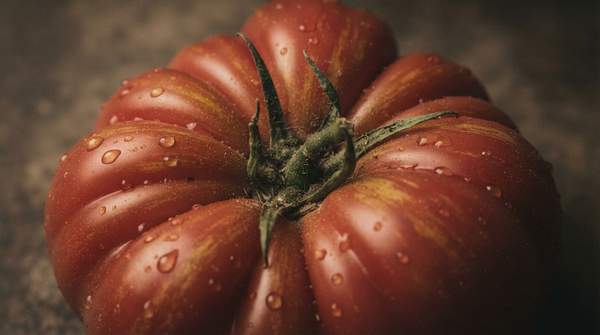
If you want a jarred-quiet Sunday sauce or a tomato you can eat standing in the kitchen, heirlooms are where flavor lives. The short answer: reach for San Marzano tomatoes when you're making sauce, a beefsteak like Gold Medal when you're eating tomatoes fresh, and the sweet, mild Jimmy Nardello pepper when roasting or stir-frying. Below, I walk through why each variety earns its place, plus the snap-versus-shelling bean distinction that changes what lands on your plate.
Introduction: The Heirloom Advantage in Your Kitchen
Why bother with heirlooms at all? Because open-pollinated heirloom varieties carry a traceable lineage and, importantly for cooks, a wider range of flavors, colors, and textures than the hybrid seeds often bred for uniformity and shelf life. Melissa K. Norris, a homesteading writer in Washington State, puts it simply: heirlooms' genetic diversity produces "a wider range of flavors, colors, and textures that are often lost in modern hybrid varieties."
Heirloom seeds are open-pollinated "purebreds" you can save and replant, unlike F1 hybrids, which are deliberate crosses of two varieties, as homesteading writer Anna Sakawsky explains. For you as a cook, that diversity means you can match a vegetable to the job: sauce, slice, roast, or shell. Fair warning — flavor descriptions here reflect common consensus, and taste is always a little subjective.
Heirloom Tomatoes: Sauce vs. Slice
Not all tomatoes are interchangeable, and the difference is physical, not just poetic. San Marzano is a plum tomato from the volcanic soils of the Sarno River Valley in Campania, Italy, carrying DOP (Denominazione di Origine Protetta) status that specifies where and how it's produced. Be aware that a can can be labeled "San Marzano" without meeting those production requirements, so the designation matters if you're paying for the real thing.
Functionally, cooks at Quattro, a Boston North End restaurant, describe the difference plainly: San Marzano tomatoes have "a thicker flesh, fewer seeds, and a lower water content than most commercial plum tomatoes or common canned tomatoes." Less water and fewer seeds means a sauce that concentrates quickly instead of simmering thin. Sakawsky flags San Marzano and Amish Paste as the best heirloom tomatoes for making sauce, while a large, "meaty" slicer like Pink Brandywine belongs on a plate, not in a pot. That's the whole trade-off in one sentence: paste tomatoes cook down rich; slicing tomatoes shine raw.
Beyond Tomatoes: Versatile Heirloom Vegetables for Every Dish
For fresh eating, a beefsteak is hard to beat. A contributing writer at Fine Gardening calls Gold Medal — a fist-size, orange-red beefsteak — his "sit-down-in-the-garden-and-eat-it-right-now" favorite, eaten sliced on toast with olive oil and basil when discipline allows.
Then there's the Jimmy Nardello pepper, a family heirloom from Italy's Basilicata region. It produces long green and red peppers, sometimes corkscrew-shaped, with a mild, sweet flavor. That sweetness with no heat makes it a natural for roasting alongside other vegetables or serving stir-fried. Alongside the corkscrew cucumbers of the pepper world, heirloom beans deserve attention too: Purple Pod Pole beans, discovered in the Ozarks by Henry Fields in the 1930s, bear tender, stringless 5–7-inch pods that turn green when cooked — a snap bean you eat pod and all. Compare that with a shelling-type bean harvested for its mature seeds, and you have two entirely different ingredients within one family.
Heirloom Vegetable Culinary Comparison
Here's the at-a-glance tool: match your cooking goal to the variety whose structure and flavor fit that job. Notice how the "why" column drives everything — low water content for sauce, dense sweet flesh for roasting, balanced fresh flavor for eating raw.
| Variety | Flavor Profile | Best Culinary Use | Why It Excels |
|---|---|---|---|
| San Marzano tomato | Well-rounded, low water and fewer seeds | Sauce, marinara, pizza | Thicker flesh, fewer seeds, and lower water content than common plum tomatoes, so sauces concentrate richly |
| Gold Medal beefsteak tomato | Excellent fresh flavor; a gardener's favorite | Slicing, toast, fresh eating | Fist-size fruit with flavor good enough to eat right in the garden — no cooking needed |
| Jimmy Nardello pepper | Mild and sweet | Roasting, stir-frying | Long, tender fruit whose sweetness holds up to high heat without bitterness or heat |
Flavor vs. Function: Thinking Like a Cook
The deeper skill isn't memorizing varieties — it's reading what a vegetable's structure tells you. A plum tomato versus a beefsteak is a water-content story: beefsteaks are grown for flavor and size for slicing and summer sandwiches, while paste tomatoes aren't too juicy in the pan and freeze well for later cooking, as Bonnie Plants describes. Slicing tomato into a sauce pan and you'll spend an hour evaporating water that a San Marzano never had.
The same logic applies to beans. A snap bean like Kentucky Wonder — a classic pole bean for canning or eating fresh — is picked young and tender and eaten pod and all. A shelling-type bean is left on the vine until the seeds inside mature, then the pod is discarded. Same family, opposite harvest stages, different dishes entirely.
Elevate Your Dishes: The Heirloom Difference
Home cooks should intentionally choose specific heirloom vegetable varieties for their unique flavor and texture profiles to enhance particular dishes — that's the whole game. Buy San Marzano for sauce night, a beefsteak for tomato-and-basil toast, Jimmy Nardellos for a roasted-vegetable tray, and know whether your beans are snap or shelling before you plan dinner.
Your measurable indicator: the cook observes a noticeable improvement in the depth of flavor or desired texture in the finished dish when using a selected heirloom variety compared to a standard alternative. Run the comparison yourself — one Sunday sauce from DOP San Marzanos, one from ordinary canned plum tomatoes — and taste the difference that thicker flesh and lower water content make.
Sources
- The Best Heirloom Vegetables - Fine Gardening
- How to Grow An Heirloom Vegetable Garden — The House & Homestead - Helping you create, grow and live a good life... From scratch!
- Best Heirloom Vegetables To Grow — Melissa K. Norris
- Which is Better, Heirloom Vegetables or Hybrids? — Bonnie Plants
- FOOD52
- San Marzano Tomatoes vs Regular Tomatoes Explained- Quattro Ristorante — Quattro Ristorante -
- Academia
- I'm a Professional Chef and Gardening Writer — Gardening Know How