When you ask why one pork chop tastes sweet and silky while another tastes like nothing at all, the answer almost never lies in the pan. Three things happen before an animal ever reaches the butcher: its genetics set the blueprint of muscle and fat, its diet writes the chemistry of flavor into that blueprint, and the way it is handled either protects or ruins what the first two built. Scientific reviews of ruminant meat flavor group these as pre-harvest factors—intrinsic traits like genotype and temperament on one side, production practices like nutrition, handling, and pre-slaughter stress on the other—and they are the levers a farmer actually controls. Here is how each one works, and how to read them at the counter.
The Genetic Blueprint of Flavor: Heritage Breeds
An animal's genetic makeup determines its muscle structure, how fat is distributed through that muscle, and how quickly it grows—and all three contribute to the final taste of the meat. This is the quiet tragedy of modern commodity pork and poultry: decades of breeding selected almost exclusively for speed and leanness, because those traits are efficient to raise, while flavor-related traits were left behind. Breeds with different genetic backgrounds can produce meat with genuinely distinct sensory characteristics, and research bears this out. A review of meat flavor strategies cites work by Van Ba and colleagues showing that breed alone—comparing Hanwoo cattle with Angus—can considerably affect the physicochemical quality, sensory characteristics, and even the content of volatile flavor compounds in the meat.
Heritage breeds are what happens when that selection pressure points the other way. As the team at Joyce Farms, a producer of heritage poultry and pork, explains, these animals were bred for generations with an emphasis on traits that enhance taste rather than production efficiency. Their Gloucestershire Old Spot pigs offer a vivid example: a British breed traditionally raised outdoors in orchards—nicknamed the "Orchard Pig"—that was the gourmets' pork of choice in England through the 1920s and 1930s. The producer describes its pork as consistently well-marbled and juicy, with sweet, silky fat that contrasts sharply with the overly lean pork common in America today.
The thin skin of the breed is itself sought after by chefs. Fat matters here more than almost anything else: the ruminant flavor literature notes that animals with higher fat content tend to score better for eating quality, indicating a positive effect of fatness on the experience of the meat.
Diet's Delicious Impact: Grass-Fed vs. Grain-Finished
If genetics is the blueprint, diet is the ink. What an animal eats changes the fatty acid profile of its fat and the volatile compounds—aromatic molecules that reach your nose—carried in the meat. A review of fatty acid profiles in grass-fed and grain-fed beef found that grass-fed beef tends to be lower in overall fat and, because of differences in fatty acid content, carries a distinctly grassy flavor along with unique cooking qualities. The ruminant flavor literature confirms that specific volatiles have been identified that contribute to the discrete flavor profiles of grain-fed and grass-fed animals.
Some of those compounds travel a remarkable path. Writing for the food producer Origin Provisions, Chris Kerston describes polyphenol plant compounds that pass from forage into the animal and end up in the meat—the same family of compounds that make berries, green tea, and extra-virgin olive oil interesting to nutrition researchers. Plants make them to defend against sun, drought, and pests; a pasture-raised animal carries a trace of that pasture to your plate. This is the chemical heart of what producers call terroir: the idea that soil, climate, season, and plant species shape the flavor of food.
But here is where honest reporting matters, because the label alone tells you less than you might hope. Chris Kerston, writing for Origin Provisions, notes that there is wide variation within grass-fed beef depending on pasture diversity, grazing management, and finishing and that off-flavors in grass-fed beef are primarily linked to finishing, often appearing in animals that are losing weight or consuming low-quality forage. Kerston also highlights research indicating that when factors like animal age and carcass weight are controlled, the flavor distinctions between 100% grass-fed and conventional grain-finished beef are considerably smaller than often suggested. The grassy character is real, but it is a spectrum, not a switch.
The Art of Handling: Minimizing Stress for Superior Meat
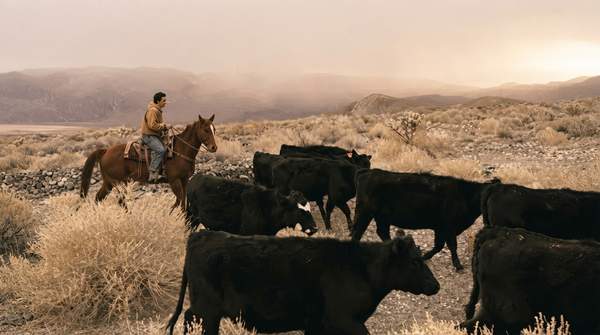
The third factor is the least glamorous and the most easily botched. Penn State Extension's agricultural educators put it plainly: meat quality begins at the farm level, where a producer's care for the animals plays a crucial role in determining the quality of the meat, and best management practices for handling, health care, nutrition, and transportation all play a part in the final product. The scientific literature explains the mechanism: pre-slaughter stress is among the production factors that affect meat flavor, alongside handling, nutrition, and slaughter methods. Stress changes an animal's physiology in ways that can degrade the meat—toughening it, drying it out, and masking the flavors that breed and diet worked to build.
What this means practically is that calm animals are not just a feel-good story. A producer who invests in low-stress handling is protecting the tenderness and juiciness that make flavor perceptible in the first place; a rushed, rough slaughter can undo a year of careful genetics and pasture management in a single afternoon. When a butcher tells you their animals were handled quietly, that is not sentiment—it is a quality claim with a physiological basis.
Husbandry Factors and Their Culinary Impact
The table below separates the three factors so you can see what each one independently contributes—and what to ask about when a label or menu only tells you part of the story.
| Husbandry Factor | Mechanism of Impact | Effect on Flavor & Texture | Example |
|---|---|---|---|
| Genetics / Breed | Determines muscle structure, fat distribution (marbling), and growth rate; traits are bred for either efficiency or culinary quality. | Distinct and often superior flavors, with tenderness and juiciness shaped by fat content and muscle character. | Gloucestershire Old Spot pigs, bred for marbling and sweet fat rather than lean, fast growth. |
| Diet | Alters the fatty acid profile and the volatile compounds in the meat; different feeds create different flavor precursors. | Grass-fed beef carries a distinct grassy character and is lower in overall fat; grain-finished beef differs in flavor profile and cooking qualities. | Polyphenol plant compounds passing from diverse pasture into the meat. |
| Handling / Environment | Pre-slaughter stress affects the animal's physiology and meat quality; calm handling protects it. | Preserves tenderness and juiciness; stress-induced toughening and dryness can mask inherent flavors. | Quiet handling, health care, and transportation practices described by Penn State Extension. |
Read down the first column and you have your counter script: ask what breed, ask what it ate and how it was finished, ask how it was handled. A producer who can answer all three is telling you something specific; one who can only say "grass-fed" is telling you something partial.
Making Informed Choices: Connecting Husbandry to Your Plate
Put it all together and the marketing fog starts to lift. "Heritage" means something only when paired with a breed name and a fat story—the Old Spot's silky marbling, not a vague nostalgia. "Grass-fed" means something only when you know how the animal was finished, because a well-finished animal on diverse pasture tastes different from one that spent its last weeks losing weight on poor forage. And none of it survives rough handling. The ruminant flavor research is candid that many of the parameters affecting flavor can be systematically improved—which means they can also be systematically neglected.
Two honest caveats before you shop. First, this is a framework of principles, not a catalog: it does not cover every breed or farming method, and the chemistry here is illustrative rather than exhaustive. Second, husbandry is only the first chapter. Aging, butchering, and processing all reshape what reaches you, and none of them are in the farmer's—or this article's—scope. What husbandry determines is the raw potential: the marbling a breed carries, the aromatic signature a diet writes, the tenderness that careful handling protects.
Choosing Your Cut: A Guide to Informed Meat Selection
To select meat that aligns with the flavor and texture you actually want, prioritize understanding the animal's breed, diet, and handling practices—in that order of specificity. Ask your butcher three questions: what breed is this, what was it eating in its final weeks, and how was it handled? A good butcher will answer all three without hesitation, because a producer who tracks those things is proud of them. Then buy deliberately and pay attention to what you taste.
The measurable test is simple: over your next several purchases, note which husbandry profiles you chose and which flavors and textures you preferred. The goal is that you consistently identify and prefer specific flavor and texture profiles in artisanal meats based on the husbandry information provided by butchers or restaurants—so that "I liked this one" becomes "I liked this one, and I know why."
Sources
- Ruminant meat flavor influenced by different factors with special reference to fatty acids - PMC
- How Genetics Affect Flavor — Joyce Farms
- Effective Strategies for Understanding Meat Flavor: A Review - PMC
- A review of fatty acid profiles and antioxidant content in grass-fed and grain-fed beef - PMC
- 100% Grass-Fed vs. Grain-Finished Beef: What Actually Changes in Nutri — Origin Provisions
- High Quality Meat Starts with Animal Care — Extension