Choosing a culinary travel experience involves more than just picking a destination; it's about matching an activity to your available time, your desire for hands-on learning, and how deeply you want to connect with a region's food culture. Whether you have a single afternoon or an entire week, you can find an experience that fits, from a brief tasting of local spirits to an immersive, multi-day tour led by a professional chef. The key is understanding the trade-offs between different formats to find the one that best suits your travel style.
Culinary Travel Decision Framework
To find the right fit for your trip, consider how different types of culinary experiences align with your goals. This framework breaks down the most common options by their typical time commitment, primary focus, and the kind of traveler they suit best.
| Type of Experience | Typical Duration | Primary Focus | Best For |
|---|---|---|---|
| Tastings | 1 to 3 hours | Sampling and learning about a specific product like wine, whisky, olive oil, or cheese. | Travelers with limited time or those seeking a brief introduction to local specialties. |
| Cooking Classes | A few hours to a full day | Learning traditional cooking techniques and preparing local dishes with expert guidance. | Travelers wanting practical skills and a more interactive, hands-on engagement with cuisine. |
| Immersive Tours | Multiple days | A comprehensive exploration of a region's food system, including market visits, producer relationships, and cultural context. | Travelers seeking a deep, authentic dive into a culinary culture, often with insider access. |
Tastings: A Quick Dip into Local Flavors
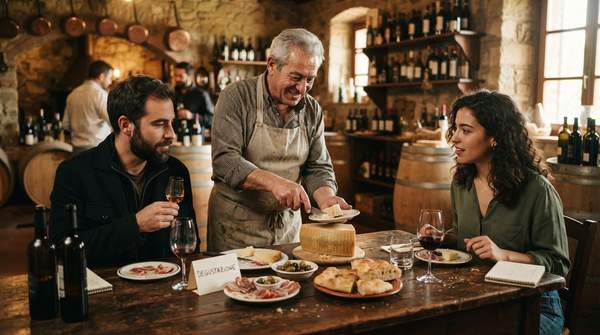
For travelers on a tight schedule or those simply curious about a region's signature product, a tasting offers a concentrated dose of local flavor and knowledge. These experiences are typically short, focusing on sampling a specific item under the guidance of an expert. You can find tastings for a wide variety of products, including coffee, chocolate, cheese, and olive oil.
For example, The Scotch Whisky Experience offers several tours that illustrate this model. Their "Silver Tour" is a 50-minute introduction ideal for first-timers, while the "Gold Tour" extends to 75 minutes and includes a tasting of five different whiskies. For those wanting a bit more, "A Taste of Scotland" is a three-hour experience that pairs six whiskies with a three-course meal. In these sessions, guests are often tutored through the stages of appreciation, such as analyzing a whisky's color, body, nose, palate, and finish.
Cooking Classes: Hands-On Skill Building
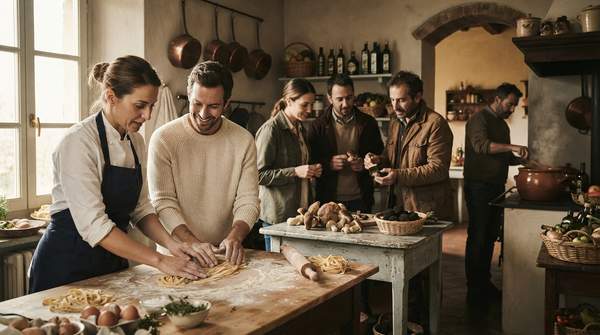
If you prefer to learn by doing, a cooking class provides a more hands-on and immersive experience than a simple tasting. According to travel publication Shoyu Sugar, these classes are one of the best ways to become familiar with local spices, ingredients, and techniques, and they are generally suitable for all skill levels, from novices to experienced home cooks. Instructors are there to guide you through the process and ensure you stay safe.
While a cooking class requires a greater time commitment than a tasting, often taking up a significant portion of a day, it offers a deeper connection to the local food culture. By preparing dishes yourself, you gain practical skills and a more profound understanding of the cuisine that you can take home with you. These classes provide a structured environment to engage directly with the food and the people who know it best.
Immersive Tours: Deep Dive into Culinary Culture
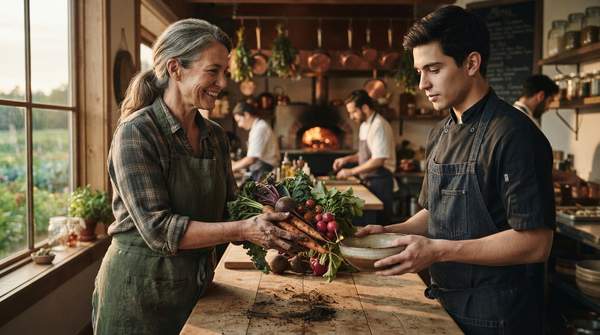
For the ultimate culinary journey, multi-day immersive tours offer an in-depth exploration of a region's entire food landscape. These are often led by professional chefs who use their local knowledge and relationships to provide unparalleled access. According to The Chef's Tours, a travel company specializing in such experiences, chef-led tours provide insider access to local producers and authentic cuisine, moving beyond the fixed routes of standard mass-market tours.
These tours are not scripted; instead, they adapt to what is fresh, in season, or newly available. The focus is on nuanced, authentic immersion, where a chef's expertise can transform a simple stop into a meaningful cultural exchange. This comprehensive approach goes beyond cooking to include market visits, conversations with producers, and a broader understanding of how food shapes a region's identity.
Key Factors for Planning Your Culinary Journey
Beyond choosing an activity type, a few key considerations can elevate your culinary trip from good to unforgettable. One of the most critical factors is seasonality. Planning your travel to coincide with major culinary events, harvest seasons, or local festivals can provide richer access to producers and more dynamic dining, creating what The Chef's Tours describes as a "deeper and more memorable experience."
The guidance of a local expert can also be invaluable. Whether it's a master distiller explaining the nuances of whisky or a chef sharing generations-old techniques, expert-led experiences provide context and insight that you might otherwise miss. As you plan, consider the important role different ingredients play in the regions you visit. Focusing on these unique local products is a direct path to understanding the heart of a place's culinary traditions.
Choosing Your Culinary Adventure
Ultimately, the best culinary experience is one that resonates with your personal travel style. To make your choice, select a culinary travel experience that aligns with your available time, desired depth of learning, and interest in hands-on participation, considering seasonality and expert guidance. By evaluating whether a brief tasting, an interactive cooking class, or a deep-dive tour is the right fit, you can ensure your journey is as delicious as it is memorable.
Sources
- Whisky Tour & Tasting Experience — The Scotch Whisky Experience
- How to Choose the Best Culinary Experience on Your Next Trip — Shoyu Sugar
- Best food tour destinations for immersive travel 2026 — The Chef’s Tours